Hunportal

Hunportal · Discover

DiscoverHungaryits treasures

Landscapes, cities, traditions and stories in one place.

One country, countless experiences

Hungary

Europe’s hidden treasure

Hungary lies in the heart of Central Europe, and although it is not among the largest countries by area, its cultural, historical and natural values reach far beyond its size. The country has more than a thousand years of statehood, which has left a deep mark on its cities, architecture, traditions and way of thinking. Hungary is special because it feels both Eastern and Western: many cultures have shaped it throughout history, giving visitors a truly unique, layered experience.

The country’s landscapes are remarkably varied. Rolling hills, vineyards, historic small towns and the famous Great Plain all help make Hungary an ideal destination for those who want to slow down and discover something authentic. Lake Balaton, Central Europe’s largest lake, is a true summer holiday paradise, while the wine regions - especially Tokaj and Villány - offer unforgettable experiences for lovers of gastronomy. Hungary is not known for loud spectacle, but for a subtle, gradually unfolding experience that slowly but surely draws every visitor in.
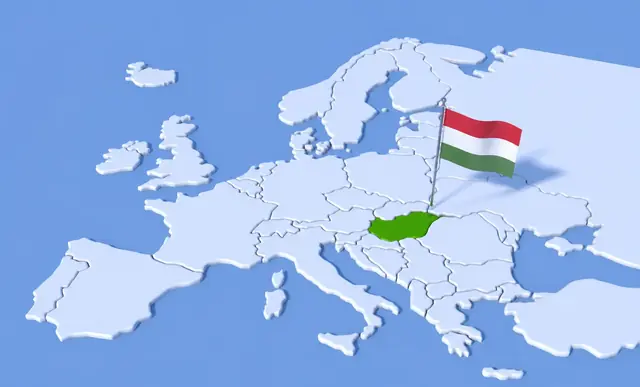
Country view, landscapes, cities

Budapest

Where history and modern life meet

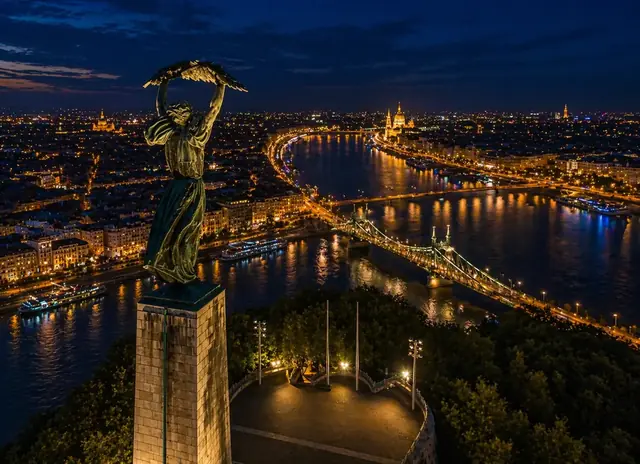
Budapest is Hungary’s capital and largest city, often called “the Pearl of the Danube.” What makes the city special is that it consists of two historically separate parts: Buda and Pest. The Danube not only divides them physically, but also separates their characters. Buda is hilly, greener and calmer, with historic streets and panoramic views, while Pest is the city’s lively, energetic side, full of restaurants, cafes, shops and nightlife.

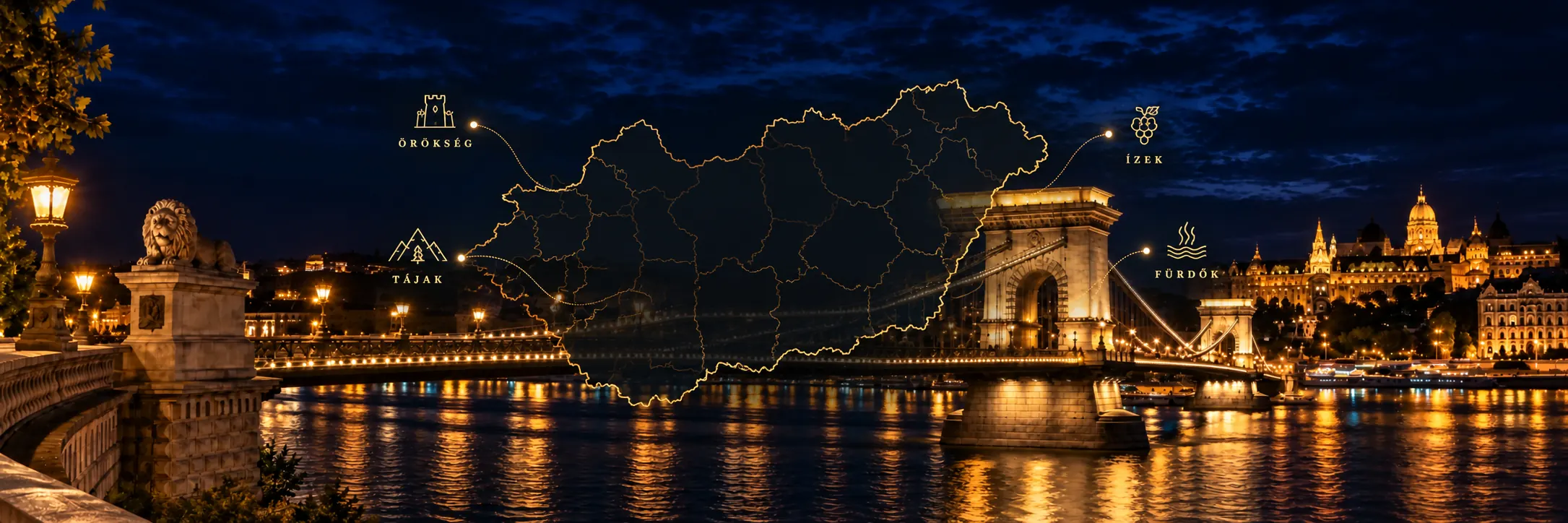
Budapest’s architecture is especially rich and striking. Walking through the city, you encounter history on almost every corner: monumental buildings, elegant avenues and atmospheric side streets follow one another. One of the city’s most iconic views is the Danube riverfront, where the Parliament building, the bridges and Buda Castle together form a panorama many consider among Europe’s most beautiful. Budapest is both grand and human in scale: a city where it is easy to get lost in the details, yet it quickly starts to feel familiar.

Danube riverside, bridges, cityscape

History

A thousand years of heritage

Hungary’s history is rich and often turbulent, which has greatly shaped the country’s present-day character. Hungarians arrived in the Carpathian Basin at the end of the 9th century and founded their state not long afterward. The first king, Saint Stephen, made the country part of Europe by adopting Christianity, setting its long-term direction of development.

Over the centuries, Hungary faced many challenges. The period of Ottoman rule brought major destruction, but also left its mark on culture and architecture. Later, during the Austro-Hungarian Monarchy, the country began to flourish, and Budapest developed especially spectacularly, with many iconic buildings from that era still visible today. The events of the 20th century - world wars, revolutions and political changes - also deeply influenced the country. These historical layers are still present and make discovering Hungary especially exciting for visitors.

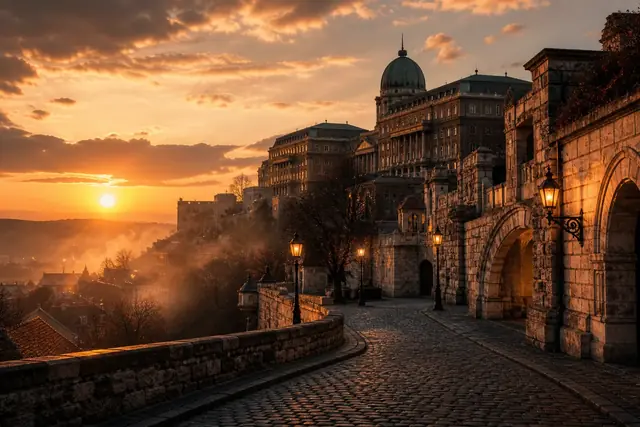
Castles and historic streets

Experiences

Experiences and special features

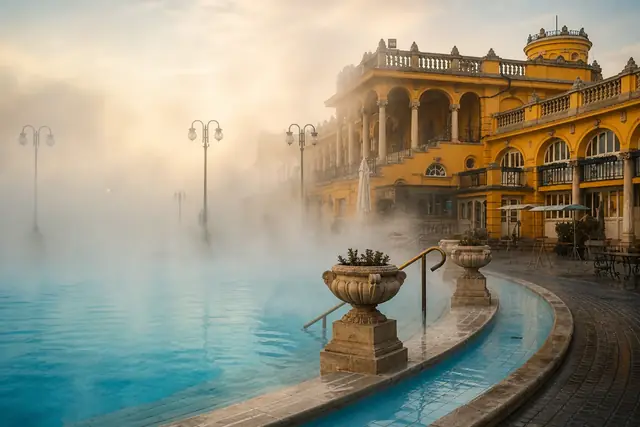
One of Hungary’s most special assets is its thermal water. The country has more than a thousand thermal springs, and Budapest is the only capital in the world with such a rich bathing culture. The historic baths offer not only relaxation, but also a kind of time travel, as many of them have been operating for centuries.

Hungarian gastronomy is also an important part of the experience. The dishes are rich, flavorful and often seasoned with paprika. Goulash, pörkölt and lángos are not just dishes, but parts of Hungarian culture. Eating here is not merely a necessity, but a shared experience where people take time for one another and for enjoying flavors.

Nightlife is one of Budapest’s strongest sides. The famous ruin bars create a special atmosphere: bars set up in old, abandoned buildings that also function as creative, artistic spaces. This kind of spontaneity and freedom makes the city especially attractive to younger travelers.

Baths, gastronomy and city life

For tourists

What tourists should know

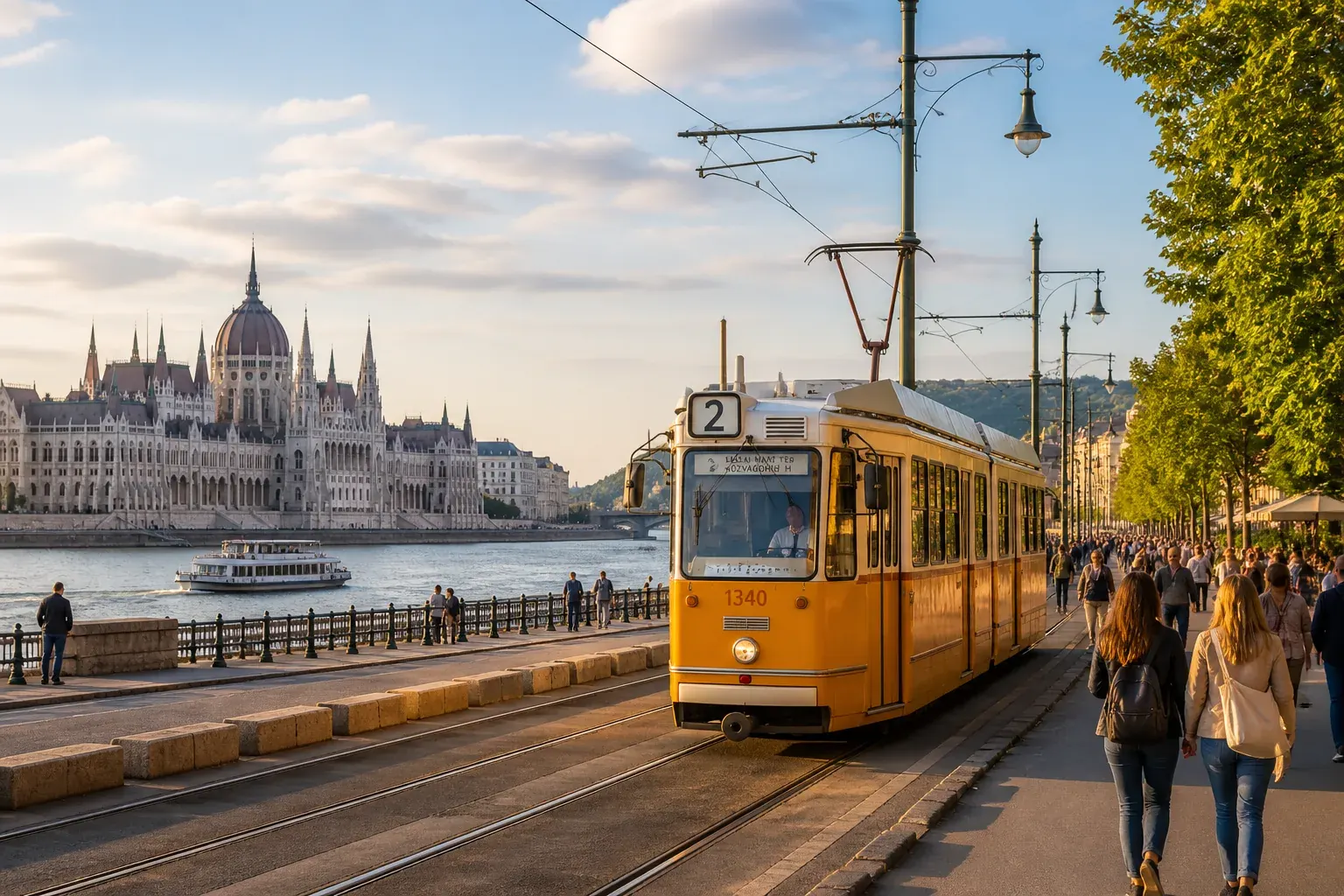
Hungary is an ideal destination for both short and longer stays. You can collect many experiences in a single day, but those who spend more time here can truly understand the country’s atmosphere. Transport is well organized, and Budapest’s public transport is fast and reliable, making the city easy to explore.

Hungarian people may seem a little reserved at first, but they are friendly and helpful. More and more tourists are arriving, so English is spoken in many places, especially in the capital. The country is safe, clean and easy to explore, making it an ideal choice for anyone who wants to step away from Europe’s most crowded destinations.

Hungary is not a place that reveals everything at once. It is a destination that opens up gradually, and the more time you spend here, the more it gives back. That is exactly what makes it truly special.

Travel, transport and city details